Your Conference Roadmap
- Why Bother? The Real (and Sometimes Overhyped) Benefits of Academic Conferences
- Finding the Right Conference: It's Not One-Size-Fits-All
- The Nuts and Bolts: Getting There and Making It Work
- Navigating the Conference Itself: A Survival Guide
- After the Conference: The Part Everyone Forgets
- Common Questions and Real-World Answers
- The Ethical Stuff: Presenting and Behaving Responsibly
Let's be honest. The first time someone told me I should present at an academic conference, I had a mini panic attack. Visions of intimidating professors, dense jargon, and awkward coffee breaks flashed before my eyes. I pictured myself lost in a massive convention center, my poster falling off the board, and my voice cracking during a presentation. Sound familiar?
But here's the thing I learned after muddling through my first few events, making every mistake in the book, and eventually finding my footing: academic conferences don't have to be scary. In fact, they can be the single most career-boosting thing you do outside of publishing a paper. The trick is knowing how to navigate them. This isn't about just showing up; it's about having a game plan.
I've put together this guide to cut through the noise. We'll talk about why you'd even bother, how to find the right one for you, how to get there without going broke, and how to walk away with actual connections and opportunities. Consider this your personal cheat sheet.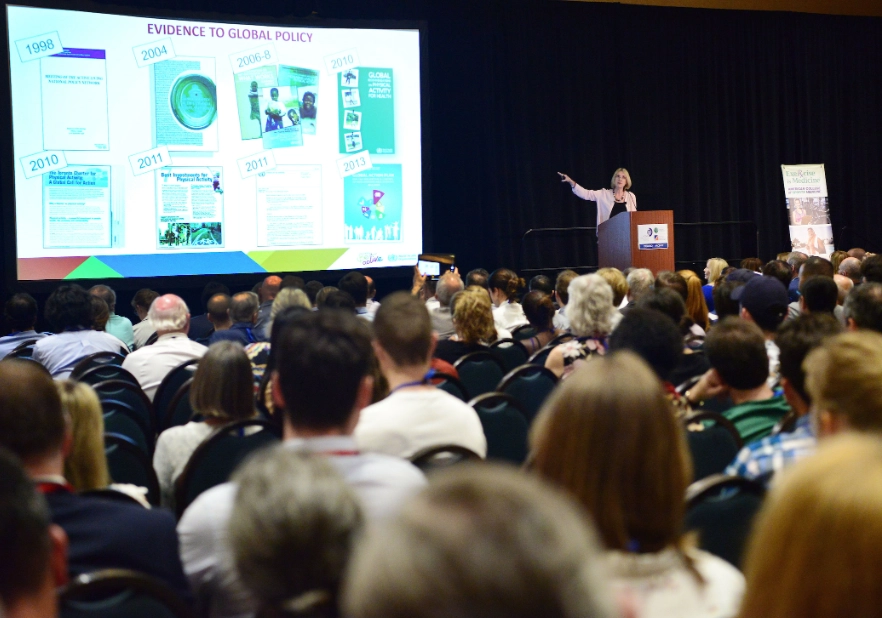
Why Bother? The Real (and Sometimes Overhyped) Benefits of Academic Conferences
Everyone tells you to go to conferences. Your advisor, your department chair, that one successful postdoc. But why? Let's break down the genuine value, and I'll throw in a few honest downsides too.
The biggest benefit, hands down, is visibility. Submitting a paper to a journal is a black box. You send it off and wait. But presenting at a conference puts you and your work in front of a live audience. People see your face, hear your passion, and can ask questions in real-time. I got my first collaboration offer not from a cold email, but from a conversation after a panel session. That simply doesn't happen by just reading a PDF.
Feedback is another huge one. Presenting a work-in-progress at a conference is like a stress test for your ideas. You'll get questions you never considered. Someone might point you to a crucial paper you missed. The feedback can be brutal sometimes—I once had a senior scholar dismantle my methodology in front of 50 people—but it made my final publication infinitely stronger.
Think of a conference presentation as a peer-review session on fast-forward. The critique is immediate, and you can see the confusion on people's faces if your argument isn't clear. It's invaluable.
Then there's the networking. I hate that word. It sounds so transactional. Let's call it building your academic community. You meet the people whose names you've only seen in citations. You find the other three people in the world who are obsessed with your hyper-specific niche. These become your future co-authors, reviewers, references, and friends. The social side is real. Some of my closest professional relationships started over a terrible conference-center sandwich.
But it's not all sunshine. Conferences are expensive, exhausting, and can be anxiety-inducing. The FOMO is real—you're trying to be in three sessions at once. And let's not sugarcoat it: some conferences are poorly organized, with overpriced everything and sessions that feel like a slog.
The key is to go in with clear goals. Are you there to get feedback on a specific project? To meet a potential mentor? To scout for post-doc opportunities? If you have a purpose, the overwhelm becomes manageable.
Finding the Right Conference: It's Not One-Size-Fits-All
This is where most people go wrong. They just go to the biggest, most famous conference in their field because that's what everyone does. Sometimes that's the right move. Often, it's not.
You need to think about what you need. A massive international conference (think thousands of attendees) is great for breadth. You'll see the biggest names and the hottest trends. But you might get lost in the crowd. A smaller, specialized workshop might have only 50 people, but the networking is deep and the discussions are focused. I've gotten more out of some small workshops than I have out of giant annual meetings.
Where to Actually Look for Conferences
Don't just wait for a Call for Papers (CFP) to land in your inbox. Be proactive.
- Your Network: Ask your advisor, lab mates, and colleagues in your department. What conferences do they value? This is often the best source.
- Professional Association Websites: This is the motherlode. If you're in computer science, check the IEEE conference list. For linguistics, the Linguistic Society of America. Your field's main society website will list their official and affiliated events.
- Academic Social Media & Mailing Lists: Follow relevant hashtags on Twitter/X (like #AcademicTwitter) or join field-specific Facebook/LinkedIn groups. Subscribe to mailing lists like WikiCFP for a broad, searchable database.
- University Research Offices: Your own university's research support office often circulates curated lists of funding and conference opportunities.
Once you have a list, you need to vet them. Look at last year's program. Who spoke? What were the topics? Does it align with your work? Check the submission acceptance rate if it's published—a lower rate often (but not always) means higher prestige.
Watch out for predatory conferences. Yes, they exist, just like predatory journals. Red flags: exorbitant fees with vague promises, emails that feel spammy, a website full of typos, and a program that includes every topic under the sun. Always check the conference's history and reputation.
The Big Decision: In-Person, Virtual, or Hybrid?
The pandemic changed the game. Now you have options, and each has pros and cons.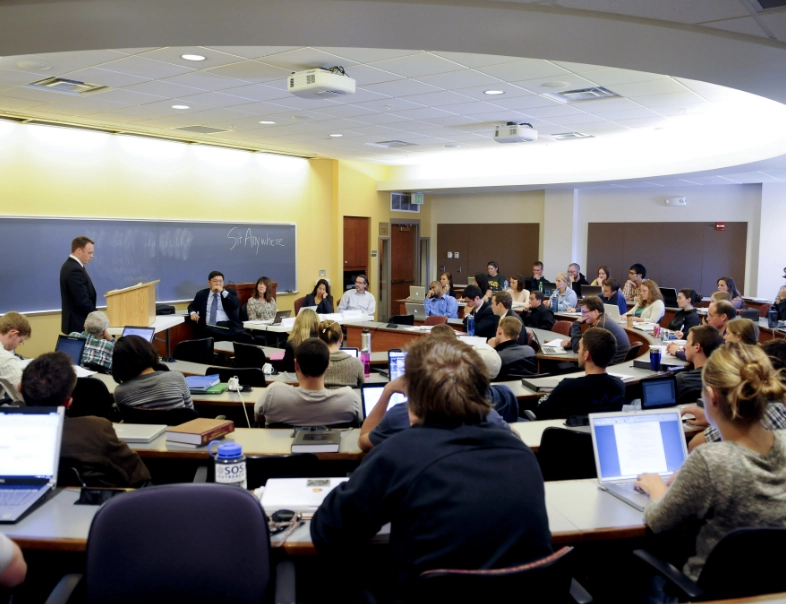
| Format | Pros | Cons | Best For... |
|---|---|---|---|
| In-Person | Serendipitous networking, deeper conversations, full immersion, poster sessions that work. | Expensive (travel, hotel, registration), time-consuming, carbon footprint, accessibility issues. | Building new connections, presenting complex work, early-career researchers needing visibility. |
| Virtual | Cheap (often free), accessible from anywhere, easy to hop between sessions, lower anxiety. | Networking is clunky (chat boxes, Zoom breakout rooms), easy to get distracted, "conference fatigue" from screen time. | Those on a tight budget, accessing content from top conferences you can't travel to, presenting with less pressure. |
| Hybrid | Flexibility, wider audience reach, can choose your level of engagement. | Often the worst of both worlds if poorly executed—neglected online attendees, tech glitches, higher fees. | When you're unsure of travel plans, or when the in-person experience is the clear priority but you want a backup. |
My personal take? For building your core network, in-person is still king. But a well-run virtual conference is fantastic for learning. Hybrid... it's a mixed bag. I attended one where the online Q&A was completely ignored. Felt like a second-class citizen. If you go hybrid, research how they're integrating the two experiences.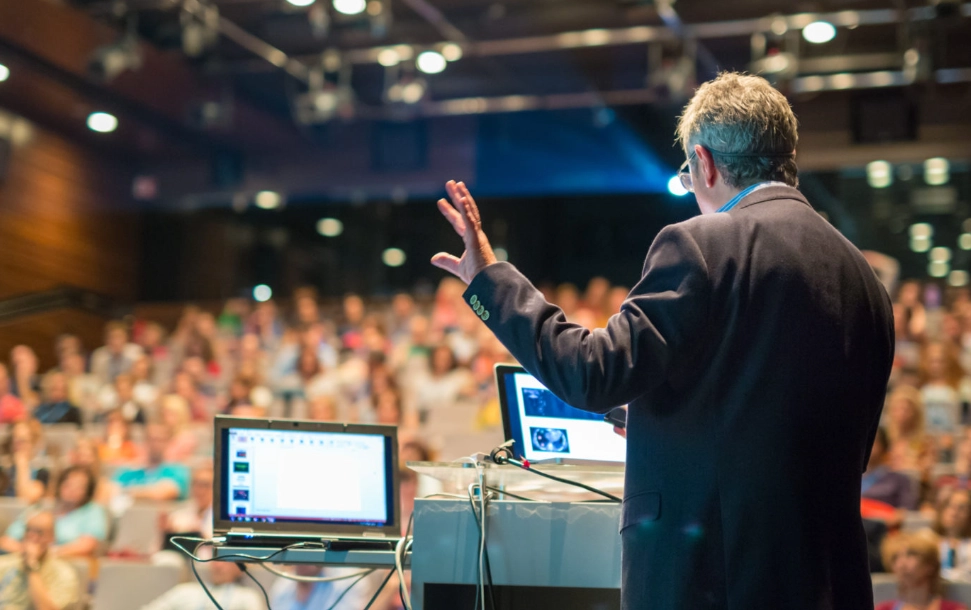
The Nuts and Bolts: Getting There and Making It Work
Okay, you've picked a conference. Now the real work begins.
Money, Money, Money: Securing Funding
This is the biggest barrier for many, especially grad students. Don't assume you have to pay out of pocket.
- Your University/Department: First stop. Many have travel grants or funds for students presenting work. Apply early—these pots run dry.
- The Conference Itself: Check for travel grants, diversity scholarships, or student discounts. Some waive fees for presenters from low-income countries.
- External Grants & Societies: Your national or regional scholarly society might offer travel awards. Google is your friend here: "[Your Field] travel grant conference".
- Crowdfunding: I've seen colleagues use platforms like GoFundMe for conference travel, especially for international events. It's awkward to ask, but sometimes it works.
My strategy was always to apply to at least three funding sources for any trip. One usually came through.
Crafting a Winning Abstract or Proposal
This is your ticket in. Follow the submission guidelines to the letter. Word counts, formatting, anonymization requirements—ignore them at your peril.
Your abstract needs to tell a story quickly: What's the problem? Why does it matter? What did you do? What did you find? What's the implication? Be clear and compelling, not jargon-heavy. Reviewers are skimming hundreds of these.
A pro tip: Mention your key findings or conclusions, even if preliminary. An abstract that ends with "we expect to find..." is much weaker than one that says "our initial analysis shows..."
Preparing to Present: Poster vs. Talk
The Presenter's Pre-Conference Checklist
- 4 Weeks Out: Draft your presentation/poster. Have a colleague review it. Practice your talk out loud, timing yourself.
- 2 Weeks Out: Finalize slides/poster. Print your poster on durable material (not regular paper!). Prepare a 1-minute "elevator pitch" version of your work.
- 1 Week Out: Confirm travel, registration. Charge all devices. Pack business cards (yes, they still matter) or a QR code link to your LinkedIn/website.
- Day Before: Practice your talk one last time. Pack comfortable shoes. You will be on your feet a lot.
For a talk: Less text on slides, more visuals. You are the focus, not the slide deck. Practice until you can deliver it smoothly without reading verbatim. Anticipate questions. The classic "So what?" question is almost guaranteed. Be ready for it.
For a poster: Design is crucial. It should be readable from 3 feet away. Use sections (Intro, Methods, Results, Conclusion). Have a handout or digital link ready for people to take. Your job is to start conversations, not just stand there silently.
I bombed my first talk because I tried to cram 6 months of research into 12 minutes. I spoke a mile a minute. Nobody understood a thing. Learn from my mistake: one clear point, well explained, is better than ten rushed ones.
Navigating the Conference Itself: A Survival Guide
You've arrived. The name tag is on. Now what?
The Art of Conference Networking (Without Being Sleazy)
Forget the idea of "working the room." Aim for 2-3 meaningful conversations per day. That's a win.
How to start a conversation? It's easier than you think. After a session, turn to someone and say, "I found that point about X really interesting. What did you think?" Or at a poster, ask the presenter, "Could you walk me through your main finding?" People love to talk about their work.
Have your elevator pitch ready, but use it sparingly. Listen more than you talk. Ask questions. The goal is to learn about them, not just deliver your spiel. And always follow up. If you had a good chat, send a brief email the next week saying, "Enjoyed our conversation about Y. Here's that paper I mentioned." This simple step is what turns a chat into a connection.
Beyond the Sessions: The Real Magic Happens in the Hallways
Don't feel obligated to attend every single session block. It's okay to skip one to process your notes, follow up on an email, or have an extended coffee chat with someone you just met. Some of the best insights come from these unstructured moments.
Social events are gold. The conference dinner, the departmental reception—these are where people let their guard down. Go to them, even if you're tired. You don't have to stay late, but show up for an hour.
Manage your energy. Conferences are marathons, not sprints. Hydrate. Steal 20 minutes of quiet in your room if you need it. It's better to be fresh for a few key interactions than to be a zombie all week.
After the Conference: The Part Everyone Forgets
The conference ends, you go home exhausted, and you collapse. Big mistake. The follow-up is where the ROI is really captured.
Within a week, go through the stack of business cards or your notes. Send those follow-up emails. Connect on LinkedIn or ResearchGate with a personalized note: "Great to meet you at [Conference Name]."
Organize your notes and new ideas. I create a simple document after each conference with three sections: 1) New research ideas/leads, 2) People to follow up with/collaborate with, 3) Action items (e.g., read that paper, email that professor about their lab).
If you presented, consider how to turn that presentation into a publication. The feedback you received is your roadmap for revising the paper.
Finally, give yourself a break. Conferences are intellectually and socially draining. It's normal to need a day or two to recover and process everything.
Common Questions and Real-World Answers
"I'm introverted and hate networking. Should I even go?"
Absolutely. First, reframe it. You're not "networking"; you're finding people who share your intellectual passions. That's a different energy. Second, set small, manageable goals. "Today, I will have one conversation with a poster presenter." Use the structure of the conference to your advantage—Q&A sessions are a great, low-pressure way to engage. You can ask a thoughtful question from your seat. Also, remember that many people there feel the same way. You are not alone.
"My English isn't perfect. Will people take me seriously?"
Yes. The academic world is global. A clear, simple explanation of complex ideas is far more impressive than fluent jargon. Practice your key explanations. Use your slides or poster to provide visual support. Most attendees will respect the effort and focus on the quality of your science, not your accent. I've seen brilliant presentations from non-native speakers that put native speakers to shame because the ideas were so well-structured.
"How do I handle a rude or aggressive question during my talk?"
Take a breath. Don't get defensive. You can say, "That's a challenging point. Let me think about how my work addresses that..." or "I appreciate that perspective. My focus here was on X, but your question about Y is important for future work." Sometimes people are just trying to show off. Thank them for the comment, offer to discuss it further offline, and move on. The audience is usually on your side.
"Are virtual conferences worth the time?"
For learning, yes. For building your network from scratch, it's much harder. If you go virtual, be hyper-intentional. Don't just passively watch talks. Use the chat function. Message speakers directly through the platform with specific questions. Attend virtual socials or poster sessions, even if they feel awkward. The ROI is lower than in-person, but it's not zero. It's a good option for staying current when travel isn't feasible.
"How do I decide between several good conferences?"
Make a decision matrix. List your options and criteria: Cost, relevance to your current project, networking potential (who's going?), career stage appropriateness, location. Weight what's most important to you right now. Sometimes you choose the prestigious one for your CV. Sometimes you choose the small, niche one for feedback. There's no single right answer, only the right answer for your current goals.
The Ethical Stuff: Presenting and Behaving Responsibly
This is important. Your conference presentation is a form of scholarly communication. Acknowledge your co-authors clearly. Cite work properly on your slides. Don't present published work from others as your own. If your work involves human subjects or animals, mention that ethics approval was obtained.
Be a good audience member. Ask constructive questions. Don't monopolize the Q&A. Respect the chair's time limits. The culture of a conference is built by its attendees. For a deeper dive into responsible conduct in research dissemination, organizations like the Committee on Publication Ethics (COPE) provide excellent resources that apply to conferences as well.
Finally, academic conferences are a tool. A powerful, sometimes frustrating, often exhilarating tool for building your career and your ideas. Don't let the formalities intimidate you. Go in with a plan, focus on learning and connecting, and don't be afraid to step out of your comfort zone just a little. The payoff—in knowledge, community, and confidence—is worth the effort.
See you in the conference hall (or the Zoom waiting room).
Leave a Comment