Let's be honest. The first time I "took" a virtual campus tour, I was deeply disappointed. It was a slick, pre-recorded 360-degree video hosted by an unnaturally cheerful student ambassador. We glided past pristine lawns and sparkling new buildings. It felt less like exploring a future home and more like watching a commercial. I learned nothing about where students actually hung out, how far the trek was from the science quad to the dorm on a rainy day, or what the library felt like at 2 AM during finals. I closed the tab feeling more uncertain than before.
That was my mistake. I was a passive consumer. A virtual campus tour isn't a movie to watch; it's a tool to wield. Over the past decade, as these tools have evolved from simple photo galleries to immersive interactive platforms, I've learned how to use them to uncover truths about a campus that even some on-site visitors miss. This guide isn't about listing platforms (you can find those anywhere). It's a strategic manual on how to think, investigate, and compare like a pro—all from your desk.
Your Quick Navigation Guide
Why Virtual Campus Tours Fall Short (And How to Fix It)
The standard tour is designed to impress, not inform. It shows the $50 million arts center, not the basement-level computer lab from 1987 where half the engineering students actually work. It shows the bustling student union at noon, not the empty, echoing hallways of the humanities building on a Friday afternoon.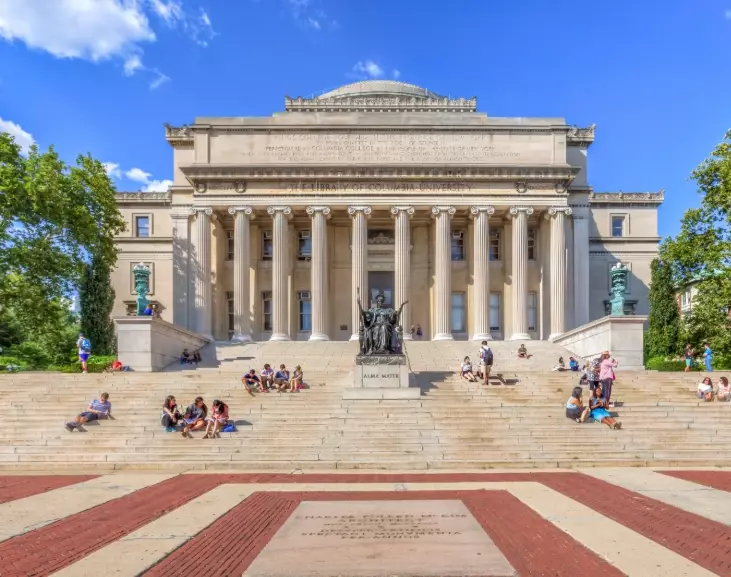
The most common error? Taking the prescribed route. You're shepherded from "Welcome" to "Academics" to "Residence Life." Break out of that.
Here's a concrete example. Let's say you're interested in biology. The tour highlights the new Life Sciences building. Great. Now, open a new tab. Go to the university's YouTube channel and search for "[University Name] biology lab tour." You'll likely find a raw, unscripted video made by a professor for a class, or a student club. Look at the equipment. Is it state-of-the-art or clearly dated? Listen to what the professor emphasizes. That's real data.
A Pro Tip Most Miss: Use the campus map (always available on the university's .edu website) in tandem with the virtual tour. The tour shows you the highlights. The map shows you the distances. Use the map's scale to time a walk from your potential dorm cluster to your major's department building. A 15-minute walk in sunny weather is a 25-minute miserable slog in a snowstorm. Very few students factor this in until they're living it.
Your Investigation Playbook: A Strategy for Depth
Think of yourself as a detective. Your goal is to build a composite sketch of daily life.
Layer 1: The Official Tour (The Surface)
Do it once to get the marketing pitch. Note what they're proud of. Then, immediately do it a second time. This time, ignore the narrator. Look at the backgrounds. What posters are on the walls in the student center? (Political clubs? Theater auditions? Startup incubators?) What books are on the shelves in the dorm lounge snapshot? How crowded do the study spaces look? This passive environmental data is gold.
Layer 2: The Unofficial Dig (The Substance)
This is where you separate hopeful thinking from reality.
- Scour Department Pages: Don't just look at the main biology page. Find the page for the specific research group or lab you're interested in. Faculty pages often have photos of their lab spaces and student research teams. The vibe in those candid photos is telling.
- Social Media Recon: Don't just follow the main account. Find the accounts for specific dorms, the campus radio station, the student newspaper. Search the university's location tag on Instagram and TikTok. Filter by "Recent," not "Top." You're looking for the unfiltered, uncurated student experience—late-night study sessions, club meetings, protests on the quad.
- Utilize External Databases: Platforms like YouVisit or CampusTours host tours for hundreds of schools. Their interface is neutral. This allows you to use the same "tool" to examine different schools, making comparisons more apples-to-apples than jumping from one university's custom platform to another's.
I once worked with a student who was torn between a large research university and a small liberal arts college for chemistry. The large school's virtual tour showed a stunning, empty advanced lab. The small school's department page had a photo of three undergraduates, covered in smiles and what looked like soot, standing by a fume hood with a complicated setup. The caption named them and described their independent project. That single image, found not on the tour but on a sub-page, spoke volumes about access and mentorship. She chose the small school and never regretted it.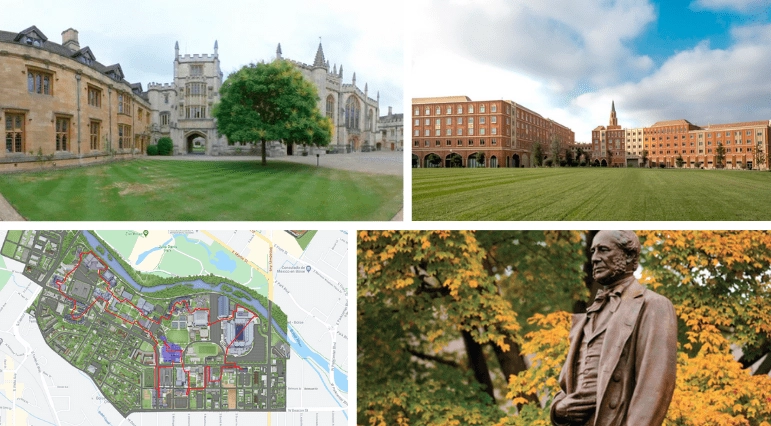
Making Direct Comparisons: A Side-by-Side Analysis
You've narrowed it down to your top three. Now, compare them directly on specific, critical factors a tour can reveal. Create a simple chart in your notes.
Let's assume you're comparing three mid-sized universities for engineering.
Factor 1: Maker Space / Project Lab Access
- School A Tour: Highlights a "cutting-edge maker space" in the 360-view. Pan around. Are there students in it? Is it clean or creatively messy? Can you see reservation instructions?
- School B Tour: No dedicated maker space shown. Dig to the Mechanical Engineering club page. Find a video of their annual project. Where are they building it? A cluttered garage? That's a red flag or a sign of scrappy ingenuity, depending on your view.
- School C Tour: The tour shows it, but the equipment looks old. Cross-reference with the university's news page. Search "maker space grant." Did they get funding recently? The tour might be outdated.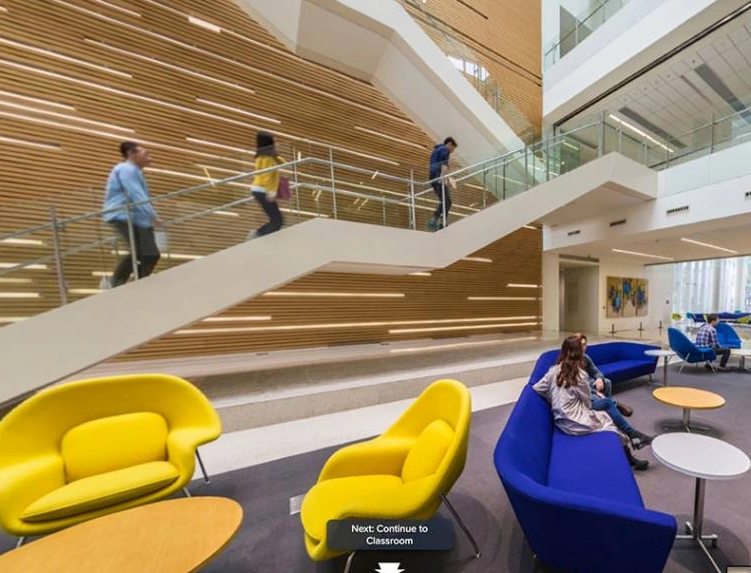
Factor 2: The "2 AM Test" for Study Spaces
Everyone shows the library during the day. Your real challenge is finding where to grind at night. Does the tour have a "library" section? Look for photos or panoramas labeled "24-hour study room" or "night entrance." If not, search the library's own website for hours and photos. A dedicated, well-lit, secure 24-hour space is a massive quality-of-life indicator that many tours completely omit.
Factor 3: Proximity and Vibe of Off-Campus Essentials
Use the interactive map on the tour. Zoom out. How close is the nearest grocery store? Coffee shop that's not a chain? A park or green space? A student's life isn't confined to campus borders. A campus plopped in a commercial desert with nothing in walking distance creates a very different social dynamic than one integrated into a town.
The Next Evolution: What to Demand from Future Tours
The technology is still catching up to our needs. The best future tours won't just be prettier; they'll be more honest and utility-driven.
I want to see tours that offer a "Choose Your Own Adventure" format based on your interests. Click "Pre-Med" and the tour prioritizes the health sciences buildings, intro chem labs, and pre-professional advising offices. Click "Studio Art" and it takes you through the studio spaces, the gallery, and the local arts district.
I want sound. Not just a narrator, but ambient sound. What's the noise level in the main dining hall? Is the dorm hallway silent or filled with music and chatter? Sound defines space.
Most critically, I want tours to be updated seasonally. A campus in lush August is a different planet than the same campus in gray, slushy February. Seeing both would be invaluable, especially for students from different climates.
Your Burning Questions, Answered
Can a virtual campus tour truly replace an in-person visit?
For many aspects, it can get you 80% of the way there, but it's a different tool. In-person visits excel at capturing intangible vibes, random conversations, and sensory details (the smell of the old library books, the feel of the dorm room furniture). A virtual tour is superior for systematic comparison, revisiting specific facilities on your own time, and involving family members who can't travel. Think of it as your primary research tool, with an in-person visit as the final confirmation for your top 1-2 choices, if financially and logistically possible.
What's the biggest mistake students make when taking a virtual tour?
They treat it like a passive movie. They click through the official 360-degree walkthrough once and think they're done. The real value comes from active investigation: pausing to read bulletin boards, noting the condition of equipment in lab photos, cross-referencing the tour map with the official campus map to find buildings not shown, and timing walks between classes using the map's scale. The tour is a starting point, not the finish line.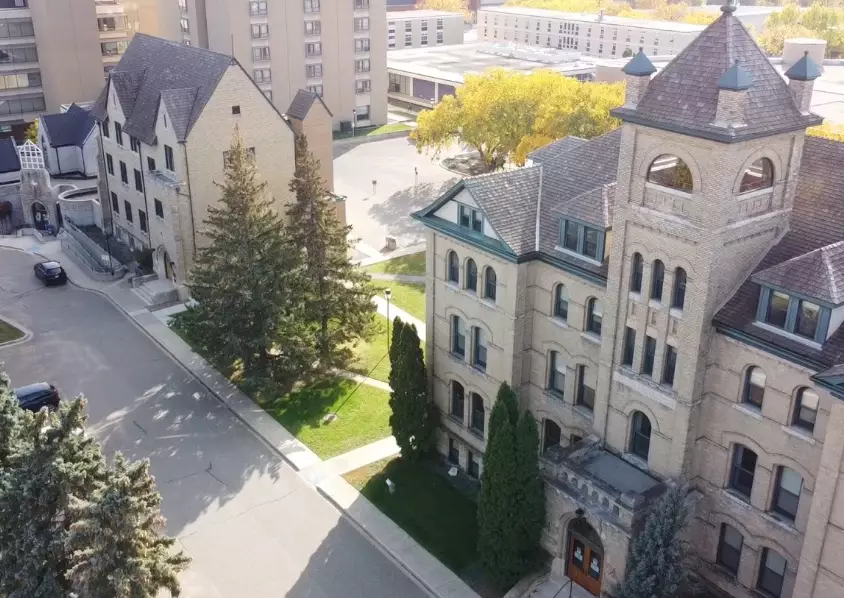
How can I assess student life and social atmosphere virtually?
Forget the staged 'student life' video. Go to the university's official YouTube channel and search for videos uploaded by student clubs, event recordings from the campus TV station, or archives of guest lectures. Look at the backgrounds in professor intro videos—are their offices messy and lived-in, or sterile and empty? Scroll the tagged Instagram location of the student union. Read the comment sections on the university's Facebook posts about events. The unofficial, unpolished content tells the real story about engagement and community.
Are there features on virtual tours most people overlook?
Almost everyone misses the information hotspots. In a well-built tour, clicking on certain objects—a poster, a piece of lab equipment, a statue—triggers a pop-up with details. Also, use the tour's built-in measurement tool if it has one to gauge room sizes. Most importantly, use the 'day' and 'night' mode toggle if available. A campus that looks vibrant at 2 PM can feel isolated and poorly lit at 8 PM, which a standard tour won't show you.
The bottom line is this: a virtual campus tour is only as good as the questions you ask of it. Stop looking for a feeling to wash over you. Start hunting for specific evidence. Interrogate the space. Cross-reference every claim. When you do that, you're not just touring a campus—you're conducting due diligence on one of the biggest decisions of your young life. And you can do a shockingly thorough job of it, all before you ever buy a plane ticket.
Leave a Comment