Let's cut to the chase: choosing a college is a huge decision, and the idea of paying hundreds, even thousands, of dollars just to *visit* potential schools feels wrong. It adds financial stress to an already emotional process. The good news? You don't have to. Free college tours for high school students are the standard, not the exception. I've guided hundreds of families through this, and the biggest mistake isn't skipping visits—it's not knowing how to work the system to get the most out of these free opportunities.
This isn't about just showing up. It's about strategic visits that give you a genuine feel for a campus, far beyond the glossy brochures.
What's Inside: Your Visit Roadmap
Why a Free Tour Beats a Brochure Every Time
You can read about student-to-faculty ratios all day. But walking across the quad, you'll notice something else—the vibe. Are students hurrying with their heads down? Are they clustered in groups laughing? Is the campus eerily quiet at 2 PM on a Tuesday? These are the unquantifiable data points.
A campus visit makes the abstract concrete. That "vibrant arts community" becomes the student painting a mural you walk past. The "state-of-the-art science facilities" become the lab you peek into. More importantly, it tells you if you can picture yourself there for four years. I've seen students fall in love with their "safety" school after a visit and cross their "dream" school off the list because it just felt off. Trust your gut. It's usually processing a million details faster than your brain can list them.
Pro Tip: Visiting also shows "demonstrated interest," a factor many admissions offices track. Simply registering for and attending an official tour logs you in their system. For some colleges, this can be a minor positive factor in your application review.
The Step-by-Step Guide to Finding & Scheduling Free Tours
This is where most guides stop at "check the website." Let's go deeper.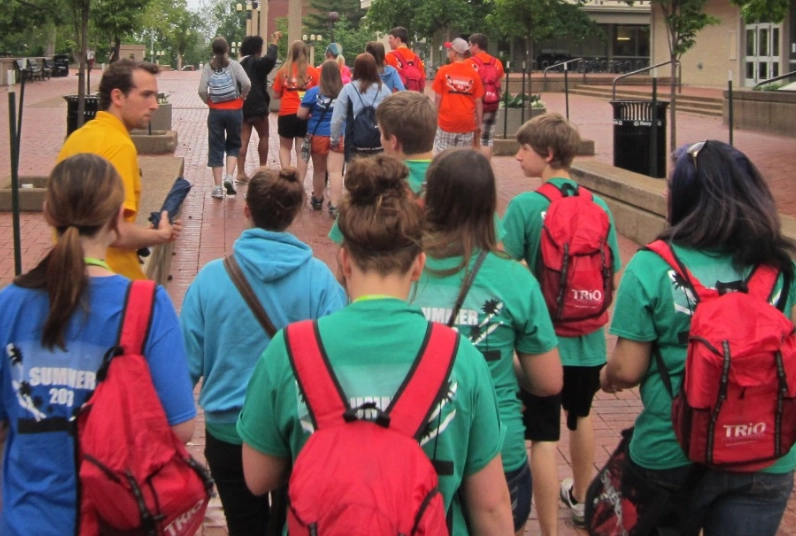
Step 1: Start with the Source – The College's Admissions Site
Navigate to the undergraduate admissions page of any college. Look for a prominent button or menu item that says "Visit," "Campus Tours," or "Experience [College Name]." This is your goldmine. Here you'll find:
- General Information Sessions & Tours: The classic combo. A 30-60 minute info session led by an admissions officer, followed by a 60-90 minute walking tour led by a current student. Always free.
- Open Houses & Preview Days: Larger, day-long events with sample classes, club fairs, and more. These require earlier registration but are also typically free.
- Department-Specific Tours: If you're set on engineering or music, check if that school or department offers its own tours. These are invaluable.
Bookmark the visit page for each school on your list. Check it a month before you plan to travel, as dates open up and spots fill.
Step 2: Use the Big Guns – Aggregator Tools
Searching one by one is tedious. Use a free tool like the College Board's BigFuture Campus Visit Planner. You can search by location, and it directly links to the official registration page for tours at thousands of colleges. It's a massive time-saver.
Step 3: Think Outside the Official Box
What if the official tour is booked, or you're passing through on a weekend when they don't run? You have options.
- Self-Guided Tour Maps: Many schools offer printable PDF maps or mobile app tours with audio. It's not the same, but it gets you on campus.

- Virtual Tours: Don't scoff. A high-quality 360° virtual tour (like those on YouVisit) is a fantastic, zero-cost way to eliminate schools that clearly aren't a fit, saving you time and money for in-person visits to serious contenders.
Schedule tours strategically. If you're doing a Northeast trip, cluster Boston schools on one day and New York on another. Leave breathing room between tours—you'll be mentally and physically exhausted after two in a day.
Before, During, and After: Maximizing Your Campus Visit
Here's the insider playbook. Most families just follow the tour guide like ducks. Don't be a duck.
Before You Go: The 1-Hour Homework
Spend one hour prepping. Jot down 3-5 specific questions you can't Google. For example: "I'm interested in neuroscience research for undergraduates. Who should I talk to?" or "How accessible are professors outside of class for mentorship?"
Plan to arrive 90 minutes early. This gives you time to:
- Wander on your own. Sit in the student union. Observe.
- Grab a coffee or snack at a campus cafe. Listen to the conversations around you.
- Check out the bulletin boards—they're a window into campus life.
During the Tour: Listen Between the Lines
The tour guide's script is polished. Pay attention to what they say *off-script* and how they answer unexpected questions. Do they genuinely love their school, or does it sound rehearsed?
Questions to Ask Your Student Tour Guide (They're the real source):
- "What's the one thing you'd change about this school?" (Their hesitation or answer is telling).
- "Where's the best place to study that isn't the library?"
- "How easy is it to get involved in research or internships as a freshman?"
- "What do you do for fun on a typical Wednesday night?"
Take photos, but not just of buildings. Take a picture of the dorm room they show (are they cramped?), the dining hall menu (does it look edible?), and the surrounding neighborhood.
After the Tour: The 15-Minute Debrief
Before you get in the car, find a bench and have everyone rate the school out of 10 on Gut Feeling. Then, jot down three specific pros and cons. Was the campus easy to navigate? Did the students seem happy and engaged? Did you like the vibe of the town? These immediate impressions are gold and will blur together after six campus visits.
I once worked with a student who was set on a large university. On the tour, he asked about getting help in intro chemistry. The guide said, "Oh, you go to the TA's office hours, but there's always a line." At a smaller liberal arts college later that week, the answer was, "You just email the professor, they know your name, and you pop by." That contrast, captured in his notes, was the deciding factor.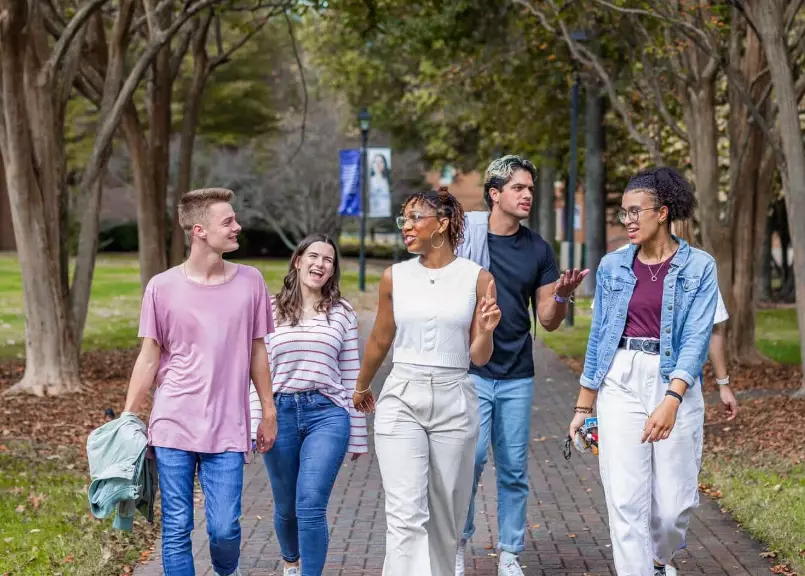
Your Questions, Answered (The Stuff Tours Don't Tell You)
How can my family find free college tours if we're on a tight budget?
The first stop is always the college's official admissions website. Dig for the "Visit" or "Campus Tours" section. I can't stress this enough—the vast, vast majority of colleges do not charge for their standard information session and walking tour. It's a recruitment tool for them. If you're planning a multi-school trip, use free aggregator tools like the College Board's BigFuture website to see all options in one place. Also, never underestimate the value of a high-quality virtual tour as a free first pass to narrow your list before spending money on travel.
What are the most important questions to ask during a free college tour to get beyond the brochure?
Avoid questions with yes/no answers or facts you can find online. Press for stories and opinions. Ask your student tour guide: "What's one piece of freshman advice you got that was completely wrong?" or "When you're stressed, where's your go-to spot on campus to reset?" For admissions officers, try: "Can you give an example of how a student turned a mediocre grade in a challenging course into a positive part of their application narrative?" These questions force real answers that reveal character, support systems, and institutional values.
What should we do if the official free tours for our dream school are fully booked?
Get on the waitlist immediately—cancellations happen. Then, go anyway. Create your own immersive visit. Eat a meal in the dining hall (often you can pay cash). Sit in the atrium of the main academic building and watch students interact. If the college allows it (check online), sit in on a large introductory lecture. The real hack? Talk to students who aren't paid tour guides. Find someone who looks approachable, say you're a prospective student, and ask for their quick, honest take. You'll often get a more unfiltered view than the official line.
Can a campus visit really make or break my application decision?
It shouldn't be the only factor, but it's a powerful one. I've seen it work both ways. A student might adore a school's reputation but visit and feel overwhelmed by its size or competitive atmosphere. Conversely, a "backup" school might surprise you with an incredible sense of community and professor accessibility you only feel in person. The visit helps you contextualize the data. A high graduation rate feels different when you see the academic support center buzzing with students getting help. Use the visit to test your assumptions. If you think you want a big school, does this particular big school feel energizing or isolating? That feeling is data too.
The goal of free college tours isn't to collect a stack of viewbooks. It's to gather feelings, impressions, and those small, telling details that separate one institution from another on paper. Use this system—strategic search, active visiting, and immediate reflection—and you'll turn a free service into one of the most valuable parts of your college search.
Leave a Comment