Let's be honest. Most time management advice for students is useless. "Use a planner." "Prioritize." "Avoid procrastination." Thanks, I'm cured.
I spent my first semester of college believing I was bad at time. My planner was a graveyard of unfinished to-do lists. I'd pull all-nighters, then sleep through morning classes. I was busy, but never felt in control. The turning point wasn't a magical app. It was realizing I was managing my tasks, not my time. There's a massive difference.
This guide skips the platitudes. We're going deep into the practical, slightly unorthodox systems that actually work when you have five classes, a part-time job, and a social life screaming for attention.
What's Inside?
- The One Time Management Mistake Almost Every Student Makes
- How to Build a Time Management System That Actually Sticks
- Taming Procrastination: It's Not About Willpower
- What a Realistic College Student Schedule Looks Like (With Examples)
- Specific Tools & Tactics for Different Scenarios
- The Hidden Key No One Talks About: Preventing Burnout
The One Time Management Mistake Almost Every Student Makes
You think the goal is to cram more into your day. It's not. The goal is to protect your focus.
Here's the subtle error: you see a 2-hour gap between classes and think, "Perfect! I can knock out that reading and start my essay." But you don't account for the 15-minute walk to the library, the 10 minutes to find a seat, the 5-minute text conversation, and the 20-minute mental warm-up to actually start. That 2-hour block yields maybe 45 minutes of deep work. You end the day feeling behind, wondering where the time went.
The fix isn't working harder in those fragmented blocks. It's batch-processing your life.
What Batch-Processing Really Means for Students
Stop switching gears constantly. Group similar tasks into dedicated, longer blocks.
- Admin Block: One hour, twice a week. This is for emails, checking syllabi, planning the week, paying bills. It stays out of your study time.
- Deep Work Blocks: 90-120 minute chunks, 2-3 times a day max, for heavy thinking like writing, problem sets, or complex reading. Phone on airplane mode.
- Shallow Work Blocks: 30-45 minute chunks for easier tasks: reviewing flashcards, organizing notes, formatting a bibliography.
- Social/Recovery Blocks: Deliberately scheduled time for hanging out, Netflix, or doing nothing. Yes, schedule guilt-free relaxation.
This structure reduces the mental cost of task-switching, which research from the American Psychological Association notes can eat up to 40% of your productive time.
How to Build a Time Management System That Actually Sticks
Forget complex apps if you're starting. You need two core components: a weekly calendar and a daily hit list.
Step 1: The Sunday Night "Time Map"
Every Sunday, take 20 minutes. Open your digital calendar (Google Calendar is fine). First, put in all your fixed commitments: classes, work shifts, club meetings, standing appointments.
Now, block in your non-negotiable foundations in a different color:
- Sleep (7-8 hours): Block it. A 12 am - 8 am block is a commitment to yourself.
- Meals: Block 30-60 minutes for breakfast, lunch, dinner. No eating while frantically studying.
- Exercise/Commute: Block it.
What's left are your open zones. This is where you deploy batch-processing. Slot in your Deep Work Blocks during your natural energy peaks (are you a morning person or night owl?). Slot in Shallow Work Blocks for between classes. Leave some Open Blocks blank for flexibility.
This visual map shows you your real available capacity. It's a reality check.
Step 2: The Daily "Hit List" (Not a To-Do List)
Each evening, look at your Time Map for tomorrow. Write down only 3-5 critical tasks that must get done. These are your "hit list." They should be specific and tied to your calendar blocks.
Bad: "Study biology."
Good: "Complete practice problems 1-10 from Chapter 7 (during 2pm Deep Work Block)."
The power of a short list? It forces ruthless prioritization and gives a clear finish line. Crossing off 5 specific tasks feels better than ignoring 20 vague ones.
Taming Procrastination: It's Not About Willpower
Procrastination isn't laziness. It's an emotional regulation problem. A task feels boring, overwhelming, or anxiety-inducing, so your brain seeks a quick dopamine hit (TikTok, snacks).
The expert trick? Make the first step laughably small.
Your brain resists "write 10-page paper." It doesn't resist "open Google Doc and write the title." That's it. Just the title. Often, you'll write the first sentence. That's momentum.
For a daunting textbook chapter, the task is "read the first paragraph." Not the chapter. The paragraph.
This "atomic task" method bypasses the resistance. Schedule these tiny first steps into your calendar. Starting is 90% of the battle.
What a Realistic College Student Schedule Looks Like (With Examples)
Let's get concrete. Here's how a Tuesday might look for a sophomore taking 15 credits, using time blocking.
| Time Block | Activity & Category | Location / Note |
|---|---|---|
| 8:00 - 8:45 AM | Wake up, breakfast, review day | Dorm / No phone scrolling |
| 9:30 - 10:45 AM | CLASS: Calculus II (Fixed) | Science Hall 204 |
| 11:00 - 11:45 AM | Shallow Work Block Review lecture notes, organize flashcards. |
Library quiet floor |
| 12:00 - 1:00 PM | Lunch & Social Break (Open) | Cafeteria with friends |
| 1:30 - 3:30 PM | Deep Work Block #1 Work on Economics research paper outline. Hit List Task #1 |
Reserved study room. Phone in bag. |
| 3:45 - 5:00 PM | CLASS: Sociology (Fixed) | Humanities Building |
| 5:15 - 6:15 PM | Gym / Exercise (Foundation) | Campus Rec Center |
| 6:30 - 7:30 PM | Dinner & Relax (Open) | |
| 8:00 - 9:30 PM | Deep Work Block #2 Solve Calculus problem set (due Friday). Hit List Task #2 |
Dorm desk. Website blocker on. |
| 9:45 - 10:15 PM | Shallow Work Block Pack bag for tomorrow, quick email check. |
Dorm |
| 10:30 PM | Wind down, no screens | |
| 12:00 AM | Sleep (Foundation) |
See the rhythm? Fixed classes anchor the day. Deep Work Blocks are protected and focused. Shallow work fills the gaps. Open time is preserved for being human. This isn't about being a robot; it's about creating a structure that makes space for everything.
Specific Tools & Tactics for Different Scenarios
When you have back-to-back classes: Use the 15-minute gap for a physical reset, not mental work. Walk outside, get water, stretch. You'll retain more from your next lecture.
When group projects suck up time: First meeting, establish a shared doc with clear, individual deadlines that are before the actual deadline. Use the "comment" function for feedback instead of endless meetings.
When your dorm is too distracting: Your environment is part of your system. Create a "study trigger." Use a specific lamp only for studying, or wear headphones (even with no music). Train your brain to associate that cue with focus. If it fails, leave. The library exists for a reason.
Digital tools: Keep it simple. Google Calendar for the Time Map. A basic notes app (like Apple Notes or Google Keep) for the Daily Hit List. For website blocking, try Cold Turkey or Freedom. The fancier the tool, the more time you'll spend organizing it instead of working.
The Hidden Key No One Talks About: Preventing Burnout
The best time management system fails if you're burned out. Burnout for students isn't just being tired; it's emotional exhaustion, cynicism towards your work, and feeling ineffective.
The antidote is strategic recovery, baked into your schedule.
- Micro-breaks within blocks: Use a timer (Pomodoro technique: 25 min work, 5 min break). In the 5 minutes, stand up, look out a window. Don't check social media—it's not a break for your brain.
- Weekly Digital Sunset: Pick one weekend block (e.g., Saturday 5 PM to Sunday 2 PM) where you avoid all academic and planning digital tools. No checking Canvas, no emails, no calendar. Let your mind reset.
- The "Good Enough" Rule: For assignments worth less than 10% of your grade, perfection is the enemy. Learn when a B+ effort is the optimal use of your time compared to an A+ effort that steals hours from a major project.
Time management isn't about doing more. It's about doing what matters, with less stress, so you can actually enjoy being in college.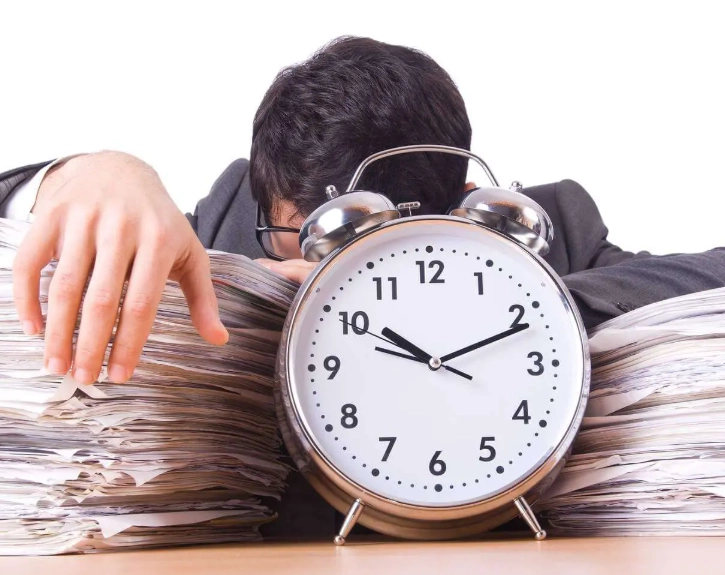
Got Questions? Here's My Take.
What's the single most important first step for a college student struggling with time management?
Stop making to-do lists. Seriously. The first step is to track your time for one week without judgment. Use a simple app or a notebook to log every hour. Most students are shocked to find 10-15 hours a week disappearing into social media scrolling, unplanned naps, or "quick" errands that aren't quick. You can't manage what you don't measure. This audit reveals your real time sinks, not the ones you think you have.
How can I stop procrastinating on large, intimidating projects like a final paper?
The trick is to make the first action so small it feels ridiculous to postpone. Instead of "write history paper," your task is "open Word document and type the title and your name." That's it. The next task might be "find 3 potential sources on the library database." This "atomic task" method bypasses the brain's resistance to large, vague projects. Schedule these tiny tasks in your calendar. Momentum builds from action, not from waiting to feel motivated.
Is it realistic to stick to a strict schedule with so many spontaneous social events in college?
A rigid schedule is destined to fail. The realistic approach is to use "time blocking" for your non-negotiables: fixed classes, dedicated study blocks, sleep, and meals. Then, deliberately leave strategic "open blocks"—like Friday evenings or Sunday afternoons—unscheduled. These are your buffers for spontaneity, socializing, and the inevitable overflow. This way, you say "yes" to fun without guilt because your critical work is already protected. It's planning for flexibility, not against it.
Reader Comments