Let's clear something up right away. Cultural exchange isn't a semester abroad exclusive to 20-year-olds. If you're over 30, 40, 50, or beyond, and you feel that itch for a deeper connection than a two-week vacation can scratch, this is for you. Adult cultural exchange programs are about trading the tourist track for lived experience—sharing meals, work, and daily life in a community not your own. The goal isn't just to see a place, but to understand, even slightly, how it feels to live there.
What You'll Find in This Guide
Why Consider a Cultural Exchange as an Adult?
The motivations shift. It's less about finding yourself (though that can happen) and more about applying yourself. You bring a career's worth of skills, life experience, and hopefully, a bit more savings. The payoff is different too. It can be a strategic career pivot, a meaningful sabbatical, or a way to finally learn that language you've always wanted to speak. I've met accountants teaching English in Vietnam to transition into corporate training, and graphic designers doing farm work in Italy to break out of creative burnout. The common thread? They used the structure of an exchange to force a perspective change that a regular holiday couldn't provide.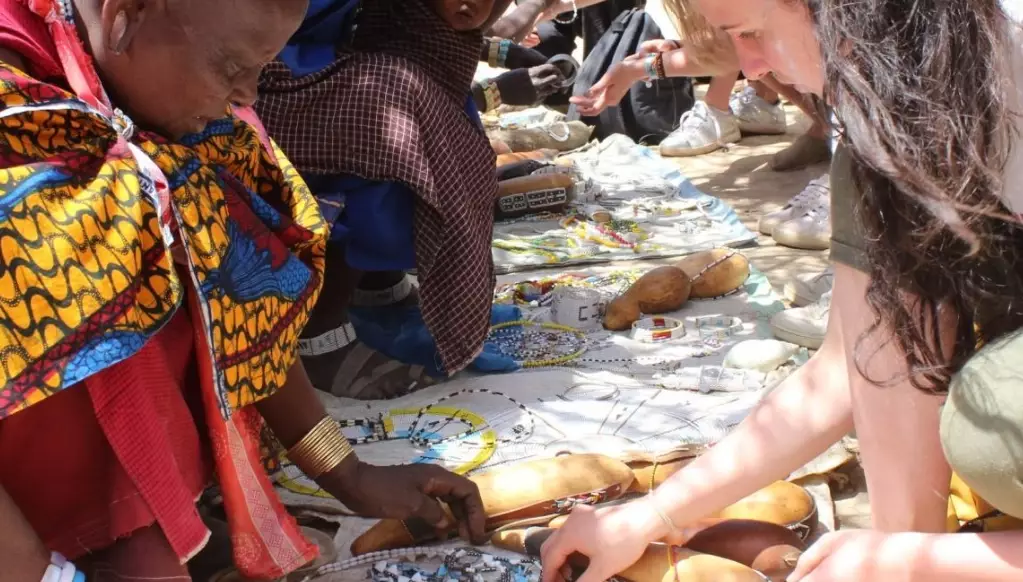
A quick reality check: The glossy brochures often omit the mundane challenges. You might be sharing a bathroom with a host family, dealing with slow bureaucratic processes, or feeling isolated before you break through the language barrier. The magic is on the other side of those frustrations.
Three Main Pathways for Adult Cultural Exchange
Forget the one-size-fits-all model. Your age and experience open doors to more nuanced opportunities. Here’s how they break down.
Work & Skill-Based Exchanges
You trade your professional skills for accommodation, sometimes meals, and always, immersion. This isn't about getting a paid overseas job (that's a different visa process), but a mutual exchange.
What it looks like: Helping a French startup with their English marketing in exchange for a Parisian apartment. Renovating a guesthouse in Portugal in return for room and board. Teaching business English to employees at a Japanese company.
Platforms to explore: Workaway and Worldpackers are the big players here, with thousands of hosts. The key is to be specific in your profile. "Marketing consultant with 10 years in tech" gets better responses than "can help with stuff."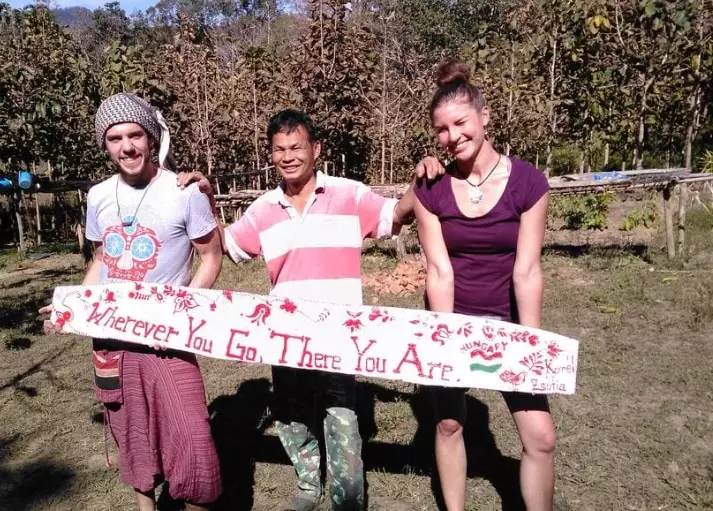
Volunteer & Community Projects
These are often more structured than work exchanges, with a clearer social or environmental mission. Fees are common, which fund the project's operations.
What it looks like: A month-long program assisting with wildlife conservation in Costa Rica. Teaching computer skills to women in a rural Indian community. Helping to build sustainable infrastructure with an NGO in Ghana.
Where to look: Organizations like Projects Abroad (which has specific programs for professionals and older volunteers) or Global Volunteers. Always, always vet the organization. Ask: What percentage of my fee goes directly to the community? What support is provided on the ground?
Language Learning & Homestays
The most direct route to cultural immersion. You live with a host family and often attend language classes. This model is perfect if your primary goal is linguistic fluency.
What it looks like: A homestay in Oaxaca, Mexico, with 4 hours of Spanish classes daily. Living with a family in Kyoto while attending a Japanese language school. A French immersion program in Senegal that combines classes with cultural workshops.
Providers: Look for language schools that offer homestay options, or services like Homestay.com. An underrated tip? Smaller, locally-run language schools in your target city often have the most authentic and affordable homestay networks.
How to Choose the Right Program for You
This is where most people get paralyzed. Don't just pick a country; pick an experience that matches your energy and goals. Ask yourself:
- What's my non-negotiable? Is it private space? Reliable wifi for remote work? A structured daily schedule?
- What do I want to give? Be honest about your skills. Are you a skilled carpenter, or are you better at conversational coaching?
- What do I need to receive? Do you need a lot of social interaction, or quiet time to reflect?
I made the mistake once of choosing a remote farm stay because the photos were beautiful. I'm a city person. The profound silence by day three was agonizing, not peaceful. Know your temperament.
The Real Costs: Breaking Down Budgets & Hidden Fees
"Free accommodation" is never free. Here’s a realistic breakdown for a one-month program.
| Cost Category | Work/Skill Exchange (e.g., HelpX/Workaway) | Structured Volunteer Program | Language School + Homestay |
|---|---|---|---|
| Program Fee | Annual platform membership: $40-$60 | $1,200 - $3,500+ (covers project support, housing, some meals) | $800 - $2,500 (for classes; homestay may be extra) |
| Accommodation & Meals | Provided by host in exchange for work (usually 25 hrs/week) | Usually included in program fee | Homestay: $400 - $900/month (often includes some meals) |
| Flights & Travel Insurance | Your cost (Budget: $800 - $1,500) | Your cost (Budget: $800 - $1,500) | Your cost (Budget: $800 - $1,500) |
| Visa Fees | Depends on country & duration. Often a tourist visa suffices. | May require a specific volunteer visa (Cost: $50 - $200) | Student visa may be required for long stays (Cost: $100 - $300) |
| Spending Money & Local Transport | Budget $200 - $500/month for personal expenses, excursions, etc. | Budget $150 - $400/month (more is included) | Budget $200 - $500/month |
| Hidden Gotchas | Flight change fees if host falls through. Gifts for host family. | Mandatory donations, airport transfers not included. | Language book fees, school registration fees. |
Always have a "get out" fund—enough for a last-minute flight home or a week in a hotel if something goes wrong. It’s the adult thing to do.
How to Find and Apply for Programs
Start broad, then get hyper-specific.
1. Research Aggregators: Sites like Go Overseas and Transitions Abroad are built for this. Use their filters for "older participants" or "career break."
2. The Application is a Two-Way Street: When you contact a host or apply to a program, treat it like a casual job interview. For work exchanges, write a personalized message. Don't copy-paste. Mention something specific from their profile. Ask clear questions about expectations, living conditions, and the surrounding area.
3. The Video Call is Essential: Insist on a video chat with your potential host or program coordinator. The vibe check is real. Do you feel comfortable? Do they answer questions directly? This single step has saved me from two potentially terrible situations.
4. Paperwork & Practicalities: Sort your travel insurance (World Nomads or SafetyWing are popular among long-term travelers). Check visa requirements through official government sites, not third-party blogs. Inform your bank you'll be abroad.
Reader Comments